
Tai Chi and Qi Gong have been studied extensively in universities, hospitals, and research centres around the world. While these practices originated in traditional Chinese culture, modern research increasingly supports their benefits for physical health, balance, wellbeing, and healthy ageing.
Tai Chi vs Zumba?
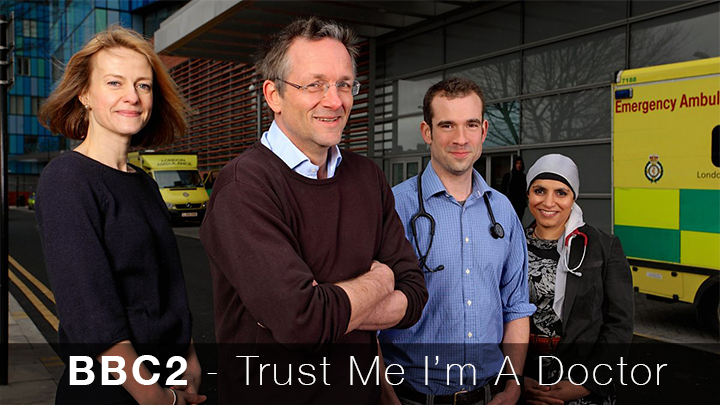
Michael Mosley, the doctors and research team investigate whether Tai Chi is as good as a workout, what we can do about heartburn, and the new technology that is transforming brain surgery.
The team found that Tai Chi is as effective as higher-intensity Zumba Gold at improving blood vessel elasticity and lowering blood pressure, while placing the heart into a “moderate intensity” zone. The study concludes that Tai Chi serves as an effective, less strenuous alternative for improving cardiovascular health and general well-being.
https://www.bbc.co.uk/programmes/p06nc46v
https://www.bbc.co.uk/news/health-45799473
Balance & Fall Prevention
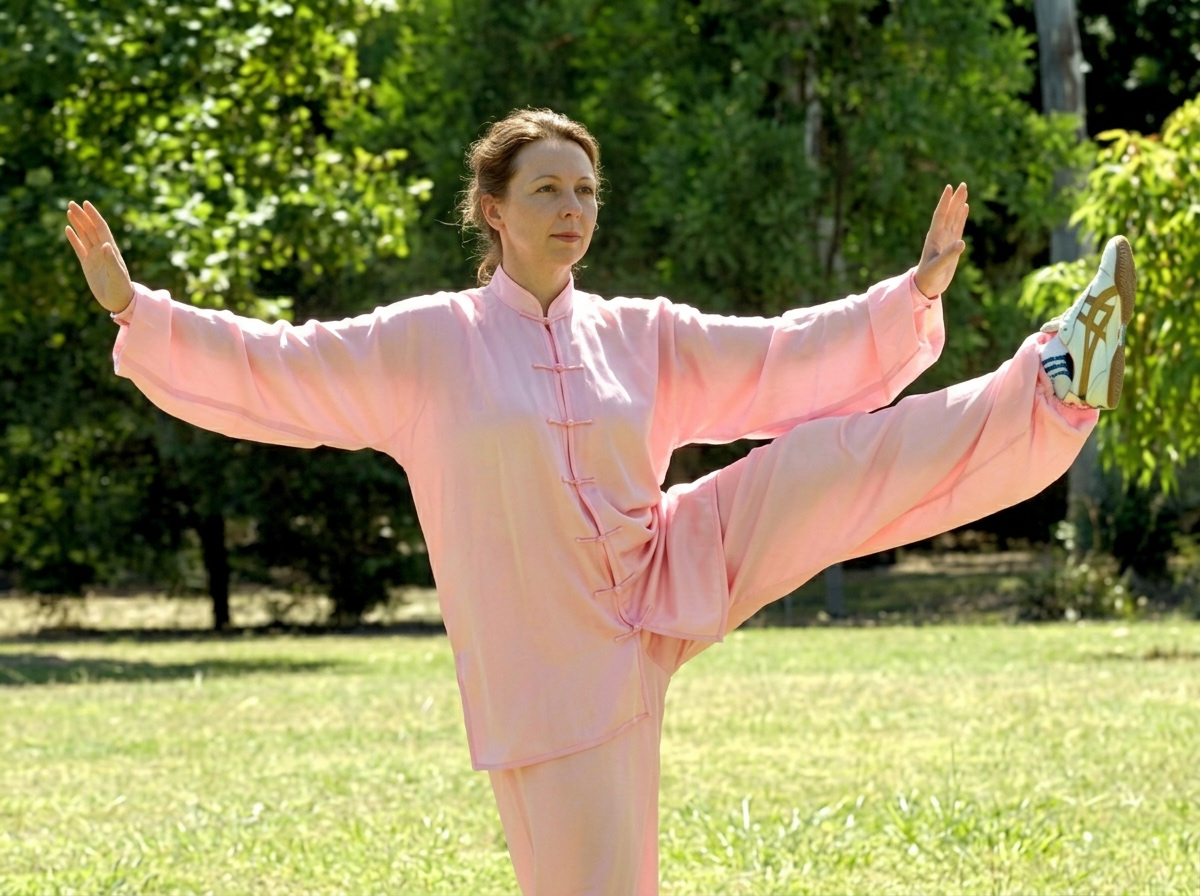
One of the strongest areas of evidence for Tai Chi is improving balance and reducing the risk of falls in older adults.
Research reviews examining thousands of participants have found that regular Tai Chi practice can improve balance, coordination, gait, and confidence while significantly reducing fall risk.
Key Research
- Tai Chi for Fall Prevention and Balance Improvement (2023 – Meta-Analysis)
- Systematic Review and Meta-Analysis: Tai Chi for Preventing Falls in Older Adults
Cardiovascular Health
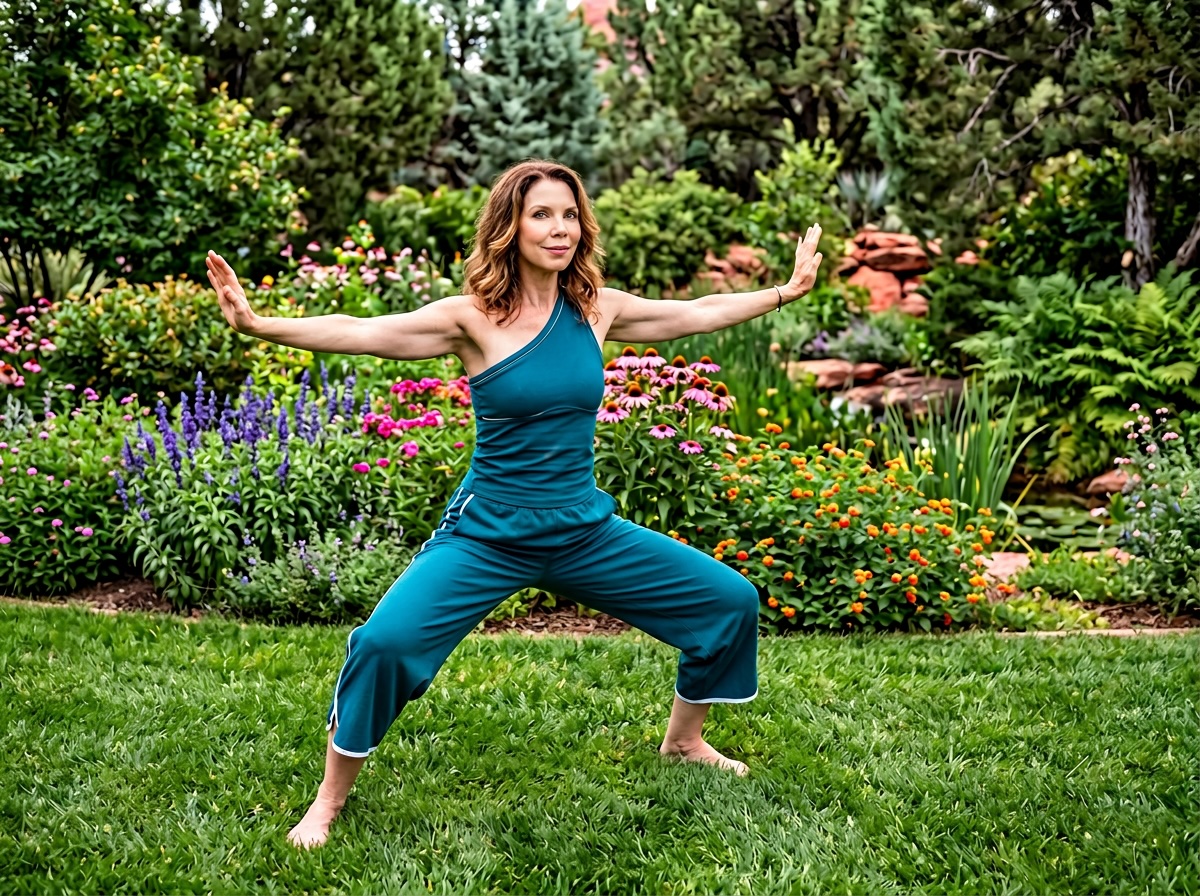
Research suggests that Tai Chi may help support healthy blood pressure, cardiovascular fitness, and overall heart health. Its combination of gentle movement, breathing, and relaxation appears particularly beneficial for people seeking a sustainable form of exercise.
Key Research
- Tai Chi and Blood Pressure (2026 – JAMA Network Open Study)
Journal of the American Medical Association (JAMA):
Mental Wellbeing & Stress Reduction
Both Tai Chi and Qi Gong combine movement, breathing, and focused attention. Studies suggest these practices can help reduce stress, anxiety, and improve overall psychological wellbeing.
Regular practice has been associated with improvements in mood, relaxation, and quality of life across a range of populations.

Key Research
- Review of Qigong for Anxiety and Stress
- Frontiers in Psychiatry: Qigong and Depression Research
Healthy Ageing & Cognitive Function

Emerging research suggests Tai Chi may support cognitive health, memory, attention, and overall quality of life as we age.
Researchers are increasingly interested in Tai Chi as a “whole-person” practice that combines physical exercise, balance training, mindfulness, and social engagement.
Key Research
- Tai Chi and Cognitive Function Research
- Effects of Tai Chi Chuan on Older Adults’ Balance: Systematic Review and Meta-Analysis (2024)
Why Don’t We Consider Movement Education As Important as Maths?
Sir Ken Robinson believed that dance is just as important as mathematics in education because it helps children develop creativity, confidence, and self-expression. He argued that schools often focus too heavily on academic subjects while giving less value to the arts. Robinson believed that movement and dance allow students to communicate ideas and emotions in ways that words and numbers cannot.
By treating dance as equal to subjects like maths, schools can support a wider range of talents and help every child reach their full potential. Tai Chi and Qi Gong integrate biology, dance and also address issues such as focus, concentration and awareness.

Mental Health and Learning
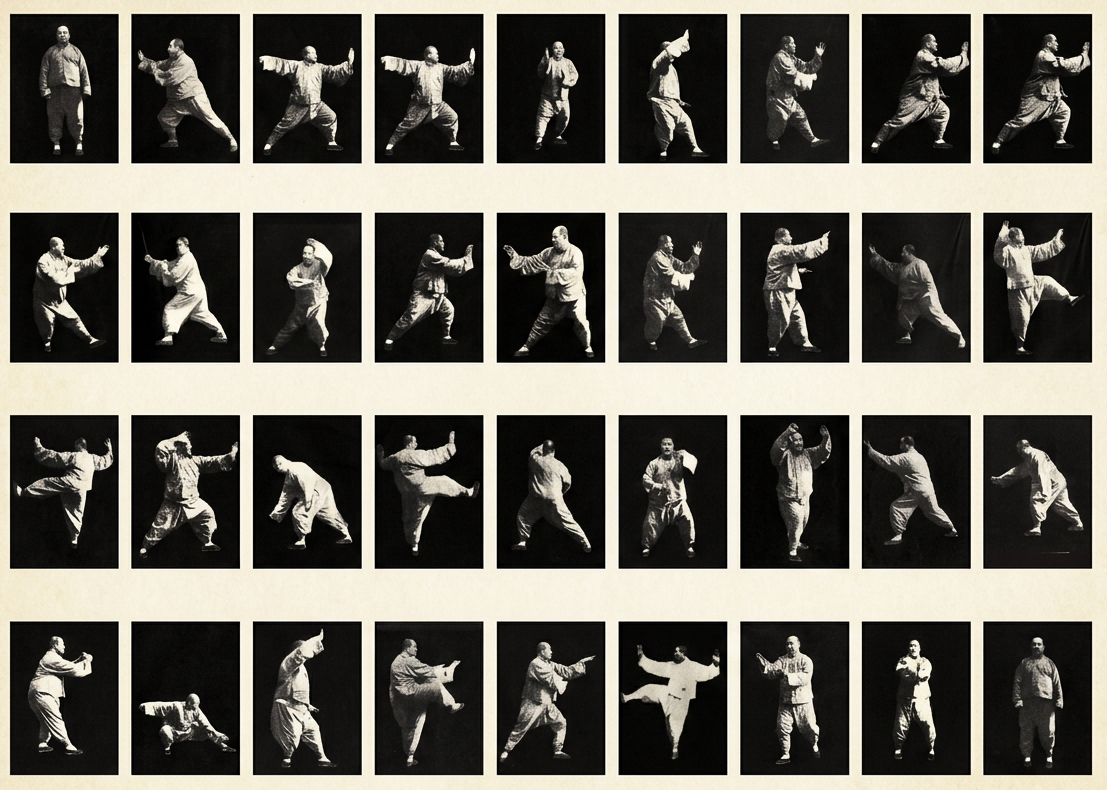
Studies of cognitive development have found Taiji can benefit ADHD, ASD, and Learning Difficulties, Executive Function and Mental Health.
It is worth noting that western education is less interested in physical intelligence, and prone to excess thought. This is likely why using an intelligent, conscious moving system comes as a welcome consideration for anyone who has faced limitation in classroom learning.
ADHD
Research specifically on Tai Chi alone for ADHD is still limited, but studies of mind-body interventions that include Tai Chi, Qigong, mindfulness, and yoga have found small-to-moderate improvements in:
Executive functioning (planning, inhibition, working memory)A 2023 meta-analysis of randomized controlled trials found that meditation-based mind-body interventions, including Tai Chi, produced significant improvements in ADHD symptoms and executive function compared with control groups.
Attention and concentration
Hyperactivity and impulsivity
Researchers believe Tai Chi may help because it combines:
- Sustained attention
- Motor coordination
- Body awareness
- Self-regulation of arousal and emotion
These are areas that are often challenging for people with ADHD.
Autism Spectrum Disorder (ASD)
There is more direct research on Tai Chi and autism.
One controlled study involving children with ASD found that six weeks of Tai Chi Chuan training improved motor skills and movement control. The authors suggested that the focus, balance, and coordinated movement required in Tai Chi may support neurological development and reduce some behavioural difficulties.
Several systematic reviews of physical activity interventions for autism also identify Tai Chi as a promising approach for:
- Motor coordination
- Balance
- Body awareness
- Anxiety reduction
- Behavioural regulation
However, researchers generally note that sample sizes have been small and that more high-quality trials are needed.
Learning Difficulties and Executive Function
There is broader evidence that physical activity and movement-based practices can improve executive functions such as:
- Attention control
- Working memory
- Cognitive flexibility
- Inhibitory control
A systematic review examining exercise interventions across ADHD, ASD, and fetal alcohol spectrum disorder found positive effects on executive functioning, suggesting movement-based interventions may be useful alongside educational and therapeutic support.
Mental Health
The strongest evidence for Tai Chi is actually in mental health and wellbeing more generally.
Systematic reviews have found benefits for:
- Anxiety
- Stress
- Depression
- Emotional regulation
- Psychological wellbeing in adolescents
Tai Chi appears particularly useful because it combines exercise, mindfulness, breathing, and focused attention in a single activity.
What does the overall evidence imply?
Current research avoids claims that Tai Chi is a treatment or cure for ADHD, ASD, or learning disabilities. However, it may be a valuable complementary activity that can improve:
- Attention
- Self-regulation
- Motor coordination
- Balance
- Anxiety management
- Executive functioning
- Emotional wellbeing
The evidence is most promising for ASD-related motor and behavioural outcomes and for general mental health benefits. The evidence for ADHD is positive but still developing, with larger, better-controlled studies needed.
If you’re interested, I can also point you to specific peer-reviewed papers that would be suitable for citing in an essay or research project.
A Balanced Perspective
Research into Tai Chi and Qi Gong continues to develop. While no single practice is a cure-all, the evidence consistently suggests that regular participation can contribute to improved balance, mobility, wellbeing, and healthy (reduced) ageing.
Perhaps most importantly, Tai Chi and Qi Gong are accessible practices that can be adapted for different ages, abilities, and levels of fitness.
Experience the Benefits Yourself
Research can tell us a great deal, but the real value of Tai Chi and Qi Gong is discovered through practice (Research Practice; Practice-Based Research).
Whether you are interested in improving balance, reducing stress, supporting your health, or simply exploring a mindful way of moving, you are welcome to join a class and experience the benefits for yourself.